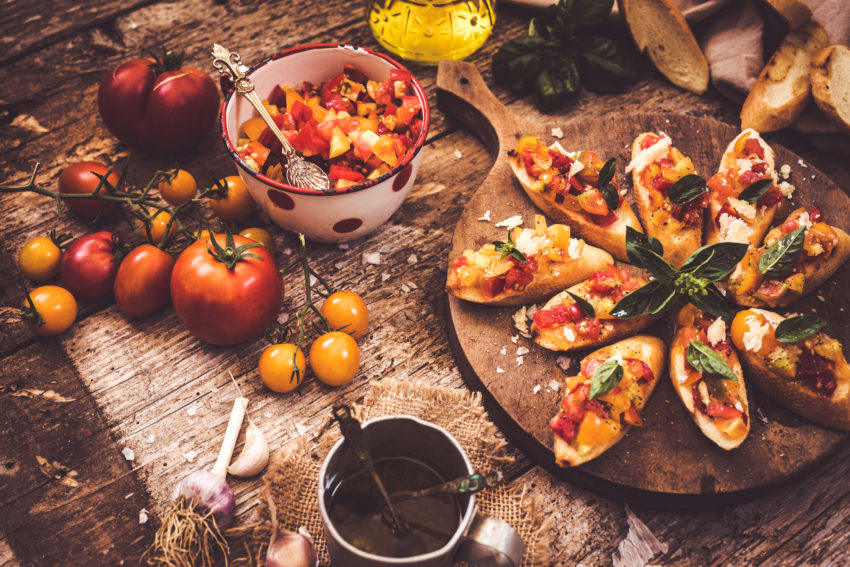
Discover 20 traditional Italian dishes, from Piedmontese agnolotti and Tuscan ribollita to Sicilian pane e panelle and Sardinian culurgiones. Explore the regional recipes, local ingredients and food traditions that make Italy such a remarkable place to visit — and live.
Italian food is famous around the world, but pizza, pasta and tiramisù are only the beginning.
Every Italian region has its own culinary traditions, shaped by its landscape, climate, agricultural products and history. In the north, mountain cheeses, polenta and hearty dumplings feature prominently. Central Italy is known for homemade pasta, legumes, olive oil and slow-cooked dishes. Further south, Mediterranean ingredients, seafood, vegetables and street food take centre stage.
So, what traditional food should you try in Italy?
This guide introduces 20 regional Italian dishes, one from each of Italy’s 20 regions. Some are familiar favourites; others are local specialities that you might not find outside their home region. Together, they offer a delicious way to explore the country’s food culture.
Traditional Italian food at a glance: 20 dishes by region
| Region | Traditional dish | What it is |
|---|---|---|
| Abruzzo | Bocconotti | Small pastries with a sweet filling |
| Aosta Valley | Tegole | Thin, crisp almond biscuits |
| Basilicata | Cartellate | Traditional fried pastries, especially associated with Christmas |
| Calabria | Maccheroni al ferro | Handmade pasta shaped around a thin rod |
| Campania | Cuoppo napoletano | A paper cone filled with fried street food |
| Emilia-Romagna | Torta di tagliatelle | A traditional cake topped with fine strands of egg pasta |
| Friuli-Venezia Giulia | Frico | A cheese and potato speciality |
| Lazio | Coda alla vaccinara | Slow-cooked oxtail stew |
| Liguria | Latte fritto | Fried milk custard |
| Lombardy | Cassoeula | A hearty pork and cabbage stew |
| Marche | Fristingo | A traditional dried-fruit and nut cake |
| Molise | Affunniatella | A rustic dish of vegetables and eggs |
| Piedmont | Agnolotti del plin | Small stuffed pasta parcels |
| Puglia | Paposcia | A traditional flatbread from the Gargano area |
| Sardinia | Culurgiones | Stuffed pasta with a characteristic closure |
| Sicily | Pane e panelle | Bread filled with chickpea fritters |
| Tuscany | Ribollita | A thick vegetable, bean and bread soup |
| Trentino-Alto Adige | Canederli | Bread dumplings, often served in broth |
| Umbria | Strangozzi alla norcina | Handmade pasta with a rich sausage-based sauce |
| Veneto | Sarde in saor | Sweet-and-sour marinated sardines |
Regional recipes often have several local variations. Ingredients, shapes and preparation methods can differ between towns and families.
1. Abruzzo: bocconotti
A traditional Italian pastry with a rich, sweet filling
Bocconotti are small pastries found in several parts of southern Italy, including Abruzzo, where local versions are associated with traditional home baking.
They are made with a delicate pastry shell and a sweet filling. Depending on the local recipe, the filling may contain grape jam, almonds, chocolate, coffee or other ingredients.
The name comes from boccone, meaning a mouthful, reflecting their small size.
Bocconotti are particularly appealing if you want to discover the Italian tradition of homemade sweets, where recipes are passed down through generations and adapted to local tastes.
Where to try them: look for traditional bakeries and pastry shops in Abruzzo, especially in smaller towns where local recipes remain part of everyday food culture.
2. Aosta Valley: tegole
Thin, crisp biscuits inspired by Alpine baking traditions
The Aosta Valley’s cuisine reflects its mountain environment and its historical connections with neighbouring Alpine regions.
Tegole are thin, crisp biscuits traditionally made with ingredients such as almonds, hazelnuts, sugar and egg whites. Their name means “roof tiles” in Italian, referring to their characteristic shape.
They are often served with coffee or alongside a dessert, making them a simple but distinctive example of the region’s confectionery traditions.
For visitors, tegole offer a taste of the Aosta Valley beyond its better-known cheeses, mountain dishes and winter specialities.
Where to try them: visit local bakeries and pastry shops in Aosta and the surrounding mountain towns.
3. Basilicata: cartellate
Decorative fried pastries associated with festive celebrations
Cartellate are traditional pastries made from thin strips of dough, shaped into decorative spirals and fried until crisp.
They are particularly associated with Christmas celebrations in southern Italy, including parts of Basilicata, although similar traditions are also found in neighbouring regions.
Depending on the local recipe, the pastries may be finished with honey, cooked wine must or other sweet toppings.
Their elaborate shapes make them as visually distinctive as they are delicious. Preparing them can also be a family activity, with recipes and techniques passed down from one generation to the next.
Where to try them: look for them in bakeries and at seasonal food markets during the Christmas period.
4. Calabria: maccheroni al ferro
Handmade pasta with a traditional shape
Pasta is one of Italy’s most recognisable foods, but its shapes and preparation methods vary considerably from one region to another.
In Calabria, maccheroni al ferro are traditionally made by wrapping dough around a thin rod to create long, hollow or grooved shapes, depending on the local technique.
The pasta is well suited to substantial sauces, including meat ragù and tomato-based preparations.
As with many traditional southern Italian pasta dishes, the appeal lies in the combination of simple ingredients, handmade techniques and sauces designed to complement the pasta itself.
Where to try it: seek out traditional trattorias in Calabria, particularly those serving regional pasta rather than only nationally popular dishes.
5. Campania: cuoppo napoletano
A paper cone filled with Neapolitan street food
Naples is famous for pizza, but its street-food culture offers much more to explore.
A cuoppo napoletano is a paper cone filled with assorted fried foods. Depending on the stall and the recipe, it may contain fried seafood, vegetables, potato croquettes, courgette flowers or small pieces of mozzarella.
The cone makes the food easy to carry while exploring the city, which is part of its appeal.
Cuoppo is not one fixed recipe. The contents can vary according to the season, the vendor and whether the selection focuses on seafood or mixed fried snacks.
Where to try it: Naples is the natural starting point. Look for busy local street-food shops and vendors serving freshly fried portions.
6. Emilia-Romagna: torta di tagliatelle
A traditional cake combining pastry and fine egg pasta
Emilia-Romagna is renowned for fresh pasta, filled pasta and a rich tradition of baking.
Torta di tagliatelle is a distinctive dessert that brings these traditions together. It typically combines a pastry base with thin strands of tagliatelle, often alongside a sweet filling containing almonds, sugar or other ingredients according to the local recipe.
The contrast between the pastry and the pasta topping makes it different from the cakes most international visitors expect to find in Italy.
It is also a reminder that regional Italian cuisine includes far more than savoury pasta dishes.
Where to try it: look for traditional bakeries and pastry shops in Emilia-Romagna, especially those specialising in local desserts.
7. Friuli-Venezia Giulia: frico
A comforting speciality made with cheese and potatoes
Frico is one of the best-known dishes of Friuli-Venezia Giulia, particularly associated with the province of Udine.
A classic version is made with Montasio cheese and potatoes, sometimes with onion. The ingredients are cooked together until the mixture develops a golden crust while remaining soft inside.
Other versions focus more heavily on cheese, and the texture can vary according to the preparation.
Frico reflects the region’s mountain and rural food traditions, where locally produced cheese and accessible ingredients became the basis for satisfying meals.
It is often served as a main dish or alongside polenta.
Where to try it: traditional restaurants in Udine and the wider Friuli area are good places to start.
8. Lazio: coda alla vaccinara
Rome’s slow-cooked oxtail stew
Roman cuisine is famous for pasta dishes such as carbonara, amatriciana and cacio e pepe. However, its traditional meat dishes are equally important.
Coda alla vaccinara is a rich stew made with oxtail, slowly cooked until the meat becomes tender. Recipes commonly include tomatoes, celery and other aromatic ingredients, while some versions incorporate raisins, pine nuts or a touch of cocoa.
The dish is associated with Rome’s historical rione Regola and the city’s tradition of using different cuts of meat in resourceful, flavourful cooking.
Because it requires a long cooking time, coda alla vaccinara is a dish to enjoy slowly rather than as a quick meal.
Where to try it: traditional Roman trattorias are the best places to look for it, especially restaurants specialising in classic Roman cooking.
9. Liguria: latte fritto
A traditional fried custard speciality
Liguria is known for pesto alla genovese, focaccia and seafood, but its culinary traditions also include more unusual preparations.
Latte fritto, literally “fried milk”, is made by preparing a thick milk-based custard, allowing it to set, cutting it into pieces, coating them and frying them.
The result is a crisp exterior surrounding a soft, creamy centre.
It can be served as a sweet preparation or included in certain versions of fritto misto alla genovese, a mixed fried assortment.
Recipes vary, and the dish may be less common on everyday menus than Liguria’s most famous specialities.
Where to try it: explore traditional food shops and restaurants in Genoa and the surrounding area, asking specifically for local fried specialities.
10. Lombardy: cassoeula
A hearty pork and cabbage stew for colder weather
Lombardy’s cuisine includes risotto alla milanese, polenta and a range of substantial meat dishes.
Cassoeula is a traditional stew made with cabbage and pork. Depending on the local recipe, it can include different cuts of pork and other ingredients.
The dish is especially associated with colder months, when cabbage and slow-cooked meals are a natural fit for the season.
Like many traditional rural recipes, cassoeula developed around making use of available ingredients rather than relying on expensive cuts of meat.
It is a satisfying introduction to Lombardy’s more rustic culinary heritage.
Where to try it: look for traditional restaurants in Milan and the surrounding Lombard countryside, particularly during autumn and winter.
11. Marche: fristingo
A traditional festive cake made with dried fruit and nuts
The Marche has a varied food culture shaped by the Adriatic coast, inland hills and Apennine landscapes.
Fristingo, also known by other local names, is a traditional cake particularly associated with Christmas in parts of the region.
Recipes vary, but dried figs, nuts, raisins and other dried fruit are common ingredients. Some versions include cocoa, coffee, candied fruit or a little liqueur.
Its dense texture and rich ingredients reflect the tradition of preparing special foods for festive occasions, using ingredients that could be stored for longer periods.
For visitors, fristingo is an opportunity to discover the Marche’s baking traditions beyond its more widely known savoury specialities.
Where to try it: look for it in local bakeries and at Christmas food markets throughout the Marche. Availability and recipes vary by area.
12. Molise: affunniatella
A rustic dish of vegetables and eggs
Molise is one of Italy’s smaller regions, but its food traditions are rich in rural recipes and seasonal ingredients.
Affunniatella is a rustic preparation made with vegetables and eggs. Depending on the local version, ingredients may include peppers, onion, tomatoes, herbs and chilli.
It is a straightforward dish that reflects the value placed on fresh produce and practical home cooking.
As with many traditional regional recipes, there is no single version that represents every household or locality.
Where to try it: explore traditional restaurants and local food festivals in Molise, and ask about seasonal vegetable dishes and regional home-cooking specialities.
13. Piedmont: Agnolotti del plin
Small stuffed pasta parcels from the Langhe and surrounding areas
Piedmont is famous for its wine, truffles, cheeses and refined regional cooking.
Agnolotti del plin are small, hand-pinched pasta parcels traditionally associated with the Langhe, Roero and Monferrato areas.
The name plin refers to the pinch used to seal the pasta. Fillings often include meat, sometimes combined with vegetables, although recipes differ across the region.
They may be served with butter and sage, meat juices or a traditional roast-meat sauce.
Their small size and carefully formed edges reflect the skill involved in handmade Piedmontese pasta.
Where to try them: Turin, Alba and the villages of the Langhe and Monferrato are excellent starting points for exploring this speciality.
14. Puglia: paposcia
A traditional flatbread from the Gargano area
Puglia’s food culture is closely connected to durum wheat, olive oil, vegetables, cheeses and the Mediterranean landscape.
Paposcia is a traditional elongated flatbread particularly associated with the Gargano area in northern Puglia.
It is often filled with local ingredients. Depending on the recipe, these can include olive oil, cheese, vegetables, cured meats, anchovies or other regional products.
Although it may resemble other Italian filled breads, paposcia has its own local identity and is closely associated with the food culture of the Gargano.
It is a useful dish to seek out if you want to explore Puglia beyond better-known specialities such as orecchiette and burrata.
Where to try it: look for it in bakeries, casual eateries and traditional food shops around the Gargano peninsula.
15. Sardinia: culurgiones
Stuffed pasta with a distinctive wheat-ear closure
Sardinian cuisine has a strong regional identity, with dishes shaped by the island’s pastoral traditions, agricultural history and coastal communities.
Culurgiones are stuffed pasta parcels, particularly associated with Ogliastra and other parts of eastern Sardinia.
A traditional filling often combines potatoes, pecorino cheese, garlic and mint, although ingredients and proportions vary by locality.
One of their most distinctive features is the closure: the edges are carefully pinched together in a pattern often compared to a wheat ear.
They are commonly served with tomato sauce and grated cheese, allowing the filling to remain the focus.
Where to try them: Explore traditional restaurants in Ogliastra and other inland areas of Sardinia, where local versions of the dish are part of the area’s culinary identity.
16. Sicily: pane e panelle
A Palermo street-food classic made with chickpeas
Sicilian cuisine reflects centuries of cultural exchange and a wide variety of agricultural and maritime traditions.
In Palermo, pane e panelle is one of the best-known street foods.
The dish consists of a bread roll filled with panelle: thin fritters made from chickpea flour, water and seasonings, then fried until golden.
Some versions are served with a squeeze of lemon, and other local additions may be offered.
The ingredients are simple, but the contrast between the soft bread and the crisp fritters makes it a particularly satisfying snack.
Where to try it: Palermo is the ideal place to discover pane e panelle, especially at traditional street-food shops and markets.
17. Tuscany: ribollita
A traditional Tuscan soup made with vegetables, beans and bread
Tuscany is celebrated for its countryside, olive oil, wine and straightforward cooking based on good ingredients.
Ribollita is one of the region’s best-known traditional dishes. This thick soup commonly contains cannellini beans, cavolo nero, other vegetables and stale Tuscan bread.
The name means “reboiled”, referring to the traditional practice of reheating the soup, often over more than one meal. The resting and reheating process helps the flavours develop and gives the dish its characteristic thick consistency.
Ribollita is closely associated with rural Tuscan cooking, where bread and seasonal vegetables were used resourcefully to prepare nourishing meals.
It is particularly comforting in autumn and winter.
Where to try it: traditional trattorias in Florence and across the Tuscan countryside are good places to look for ribollita, especially during the colder months.
18. Trentino-Alto Adige: canederli
Bread dumplings inspired by Alpine food traditions
Trentino-Alto Adige’s cuisine reflects its Alpine environment and the historical influences of neighbouring Central European cultures.
Canederli are large bread dumplings made with stale bread, eggs, milk and other ingredients. Common variations include speck, cheese or herbs.
They are often served in broth or with melted butter, depending on the recipe and local tradition.
Canederli are an excellent example of practical Alpine cooking, transforming leftover bread into a substantial and flavourful meal.
They are particularly popular during the colder months and are frequently found on menus in mountain restaurants.
Where to try them: visit traditional restaurants in Trentino, South Tyrol and the Dolomites, where canederli are a familiar part of regional cooking.
19. Umbria: strangozzi alla norcina
Handmade pasta with a rich sauce inspired by Norcia
Umbria’s cuisine is known for handmade pasta, legumes, cured meats, olive oil and black truffles.
Strangozzi are long, relatively thick strands of handmade pasta, traditionally prepared without eggs in many versions.
The term alla norcina refers to the culinary traditions associated with Norcia, a town in southeastern Umbria with a long history of pork butchery and cured-meat production.
Sauces described as alla norcina vary. Some use sausage and cream, while other preparations associated with Norcia highlight black truffles or other local ingredients.
For this reason, it is worth checking the restaurant’s version rather than assuming that every dish called alla norcina is prepared in exactly the same way.
Where to try it: explore restaurants in Norcia, the Valnerina and other parts of Umbria that specialise in local pasta and pork-based dishes.
20. Veneto: sarde in saor
Sweet-and-sour sardines from Venice’s maritime tradition
Veneto’s cuisine reflects both its inland agricultural areas and its long relationship with the sea.
Sarde in saor is a traditional Venetian preparation made with fried sardines marinated with onions in a sweet-and-sour mixture, commonly including vinegar.
Raisins and pine nuts are often added, creating a characteristic balance of savoury, sweet and acidic flavours.
The preparation is associated with Venice’s maritime history, when preserving food was an important practical concern as well as a culinary tradition.
Today, sarde in saor is commonly served as an appetiser or part of a selection of Venetian small plates.
Where to try it: traditional bacari and restaurants in Venice are good places to sample this dish, often alongside other local seafood specialities.
How to explore Italy through its food
Trying traditional Italian food is about more than ticking dishes off a list. It is also a way to understand the differences between regions, landscapes and local ways of life.
Here are a few useful guidelines for planning a food-focused trip.
1. Eat local specialities where they originate
A dish is often most interesting when you try it in the area associated with its tradition.
For example, seek out pane e panelle in Palermo, culurgiones in eastern Sardinia, frico in Friuli and ribollita in Tuscany.
This does not mean that you cannot find good versions elsewhere. It simply gives you a chance to discover the dish alongside the local culture that shaped it.
2. Follow the seasons
Italian food traditions are closely linked to seasonal ingredients.
Autumn is a good time to explore mushrooms, truffles and hearty countryside dishes. Winter brings soups, stews and festive pastries, while spring and summer highlight vegetables, fresh herbs, seafood and lighter meals.
Availability varies by region, so ask local restaurants which specialities are in season.
3. Explore markets, bakeries and small restaurants
Restaurants are only one way to experience regional cuisine.
Local markets, bakeries, food festivals and neighbourhood shops can reveal ingredients and dishes that are less familiar to visitors.
They can also provide a more direct connection with local producers and everyday food culture.
4. Ask about local variations
Traditional Italian dishes are rarely as uniform as a printed recipe might suggest.
A recipe may change from one town to another, and families often have their own ways of preparing it.
Rather than looking for one universally “authentic” version, ask about the local ingredients and traditions behind the dish.
Italian food and lifestyle: A taste of everyday life
Food is one of the most accessible ways to understand what makes each Italian region distinctive.
A meal in the Marche may introduce you to the ingredients and traditions of the Adriatic coast and the inland hills. In Tuscany, seasonal vegetables, bread and olive oil reflect a strong connection with the countryside. In Sicily, street food reveals a different side of the island’s history and daily life.
These differences can also influence where people choose to spend their holidays or make a home.
If you are considering buying a property in Italy, local food culture can be part of your location search. Think about the markets you would visit, the restaurants you would enjoy, the local products available throughout the year and the food traditions that make a town feel distinctive.
Finding your place in Italy with Gate-away.com
From the mountain landscapes of the Aosta Valley to the villages of Tuscany, the countryside of Umbria and the coast of Puglia, Italy offers many different ways to experience local food and everyday life.
For some people, that means finding a holiday home near a favourite restaurant or food market. For others, it means discovering a region whose traditions, landscapes and pace of life feel right for a permanent move.
On Gate-away, you can explore properties for sale across Italy and discover the regions that best match the lifestyle you have in mind.
Start with the flavours that inspire you, explore the places behind them, and find the Italian home that suits your way of life.
Frequently asked questions about traditional Italian food
What is traditional Italian food?
Traditional Italian food consists of regional dishes and culinary practices developed over generations. It includes pasta, soups, breads, meat and seafood dishes, cheeses, vegetables, pastries and desserts. Recipes differ considerably between regions and often between individual towns.
What are 20 traditional dishes from Italy?
Examples include bocconotti from Abruzzo, tegole from the Aosta Valley, cartellate from Basilicata, maccheroni al ferro from Calabria, cuoppo napoletano from Campania, torta di tagliatelle from Emilia-Romagna, frico from Friuli-Venezia Giulia, coda alla vaccinara from Lazio, cassoeula from Lombardy, fristingo from the Marche, agnolotti del plin from Piedmont, culurgiones from Sardinia, pane e panelle from Sicily and ribollita from Tuscany.
Does every Italian region have its own traditional dishes?
Yes. Each of Italy’s 20 regions has distinctive culinary traditions, influenced by geography, agriculture, climate, history and cultural exchange. Many dishes are also associated with particular cities, provinces or villages.
What is the most famous traditional Italian food?
Pizza, pasta and risotto are among the best-known Italian foods internationally. However, Italy does not have one single dish that represents every region. Local specialities such as Neapolitan pizza, Roman pasta dishes, Tuscan ribollita and Sardinian culurgiones illustrate the country’s culinary diversity.
What traditional food should I try in Tuscany?
Ribollita is a classic Tuscan soup made with vegetables, beans and bread. Other well-known Tuscan specialities include pappa al pomodoro, panzanella and bistecca alla fiorentina. Local menus vary by season and area.
Which Italian region is best for a food-focused holiday?
There is no single best region. Emilia-Romagna is known for fresh pasta and rich food traditions; Piedmont for wine, truffles and filled pasta; Tuscany for rustic countryside cooking; Campania for pizza and street food; and Sicily for a diverse mix of Mediterranean flavours. The right choice depends on the dishes and experiences you want to discover.
Are traditional Italian dishes the same throughout the country?
No. Even dishes with the same name may have different ingredients or preparation methods depending on the area. Regional recipes also evolve over time, and families often maintain their own variations.
Where can I discover authentic regional food in Italy?
Traditional trattorias, local markets, bakeries, food festivals and small specialist shops are good places to start. Asking residents about local specialities can also help you discover dishes that are less widely known outside the area.
How is Italian cuisine connected to local culture?
Italian food reflects the country’s agricultural traditions, local ingredients, historical influences and family customs. Meals and recipes often play an important role in community celebrations, seasonal festivals and family gatherings. Food can therefore be a useful way to understand a region’s wider culture and lifestyle.
Can food help me decide where to buy a home in Italy?
Yes. If food and local traditions are important to you, consider the availability of markets, restaurants, seasonal produce and local specialities when exploring potential locations. These everyday experiences can help you decide whether a town or region fits the lifestyle you want
Discover Italy one region at a time and find a place to call home.