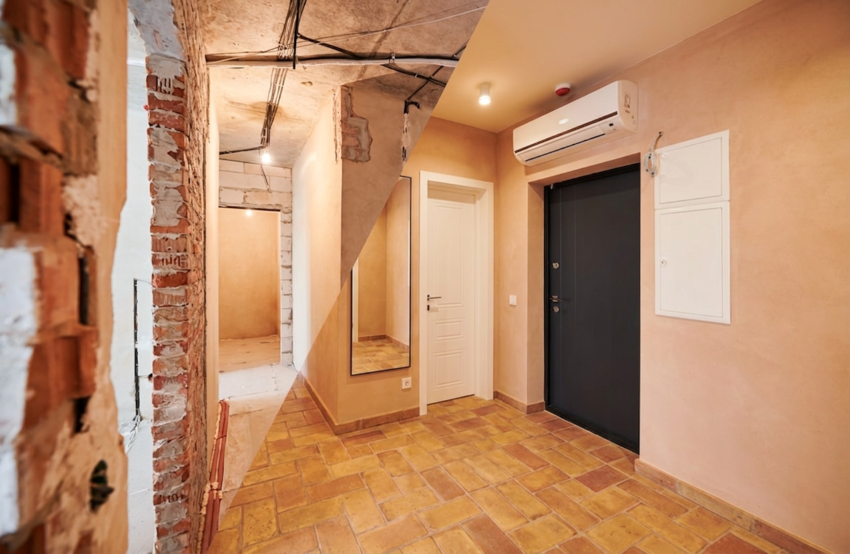
Renovating a house in Italy is almost never just a real estate investment. For people arriving from abroad, a country farmhouse, a historic residence, or an old property waiting to be brought back to life represent something more — the chance to connect with a landscape, an architectural heritage, a certain way of living. The problem is that between the dream and the keys in hand lies the renovation. And renovation, in Italy, is a world with rules, timelines, and customs that are often very different from what foreign buyers are used to.
But don’t worry! We’ll go step by step through what it really means to take on a renovation: how much it costs, how long it takes, and above all, how to manage it when you can’t be on site every day.
How much does a renovation cost in Italy
The first number everyone looks for is the price per square meter. The honest answer is that there’s no single figure. The cost of a complete renovation can range roughly between €800 and €1,500 per square meter, depending on the condition of the property, the location, and the level of finishes requested.
The item that weighs most heavily today is the building systems. It’s no longer just about redoing the electrical or plumbing work: anyone renovating today almost always opts for heat pumps, radiant heating, mechanical ventilation, solar panels, and storage systems. These choices raise the quality and efficiency of the home, but also the final bill. On top of that comes a general rise in construction material prices over the past few years, tied first to the post-Covid building bonus season and then to international instability, which has driven up the cost of steel, timber, insulation, windows, and system components.
Practical advice: treat every rough figure as a starting point, not a quote. The real cost is only known after a thorough site inspection, a defined project, and a detailed breakdown of the work.
Expenses not to forget
Beyond the quote for the actual construction work, budget for:
- Technical and professional fees – architect, site manager, and any specialist consultants.
- Tax and administrative aspects – a trusted accountant or tax advisor isn’t a luxury, it’s almost a necessity for anyone buying from abroad.
- A margin for unexpected issues – especially in older buildings, where problems like a shared building pipe that needs repair or a deteriorated load-bearing structure only surface after the first demolitions, when it’s impossible to check for them beforehand.
An important detail: with a well-drafted construction contract, the unit price of each job is “frozen” at the start. What can change is the amount of work required. This happens if unforeseen technical issues emerge.More often, it happens if the client asks for changes along the way. Every change of mind once work has started has a cost. Even a small one affects the timeline. That’s why it’s worth defining the project carefully before opening the site.
Realistic renovation timelines
For a complete renovation of an apartment of about 100 square meters, the timeframe matters. This includes demolitions, new partition walls, windows and doors, and systems rebuilt from scratch. It also includes the finishes. A realistic timeframe is around 8 to 10 months.
One element affects the timeline more than people expect: the choice of furnishings, especially the kitchen.The layout of the appliances determines the exact position of the concealed systems. If this decision comes late, or changes along the way, the site slows down. The general rule: the more choices are settled before work begins, the more smoothly the site proceeds.
How to oversee the site when you live far away
This is probably the most delicate point and the one most worth investing in from the very beginning.
- Choose a technical point of contact who can truly represent you. Whether it’s an architect or a site manager, this person must have your full trust, because in your absence they will act as if they were the client themselves: checking the execution, verifying consistency with the project, coordinating the contractors, and promptly flagging problems or necessary changes.
- Build a regular communication system, not just an emergency one. In practice, it works well to set up dedicated channels – for example, separate WhatsApp groups for interiors, exteriors/garden, and general progress – along with periodic photos and videos and update video calls, often made directly from the site.
- Reserve your physical presence for key moments. You don’t need to be there constantly: it’s better to plan your trips to Italy around the decisive phases of the work (final choices, inspections, transitions between one phase and the next).
- Consider a final retention on the payments. This is a very effective clause: it sets aside a portion of the payment, generally between 5% and 7%, to be released only after handover and a defect-verification period. It keeps the contractor motivated until the very last day and gives you a concrete guarantee on the quality of the result.
- Choose suppliers and craftsmen close to the site. This isn’t about local loyalty: surveys, transport, installation, assistance, and unexpected issues are all much easier to manage with people who are easy to reach in person, especially when you can’t be.
Mistakes to avoid
- Buying without a serious technical survey. Before signing, have the property’s real condition assessed. Check any existing restrictions and predictable costs. Knowing whether you’re buying a house or a ruin makes all the difference.
- Relying only on the contractor, without a reference professional. A good architect or site manager also handles coordination. They deal with the local municipality and manage operations. In Italy, the contractor often doesn’t take on this role alone.
- Underestimating the tax and administrative side. This is territory almost no foreign buyer knows well. It’s best to surround yourself early with trusted advisors.
- Proceeding without a shared budget and without a margin for the unexpected.
- Changing your mind too often once the site is open. Every change made mid-project has a cost, in both money and time.
- Wanting to “make everything look brand new.” Many international clients discover along the way that true value lies in careful, faithful restoration. This means preserving materials, construction details, and original character, while integrating modern comfort without erasing the soul of the house.
Your Italian home is waiting. Let Gate-away.com help you turn this dream into reality.