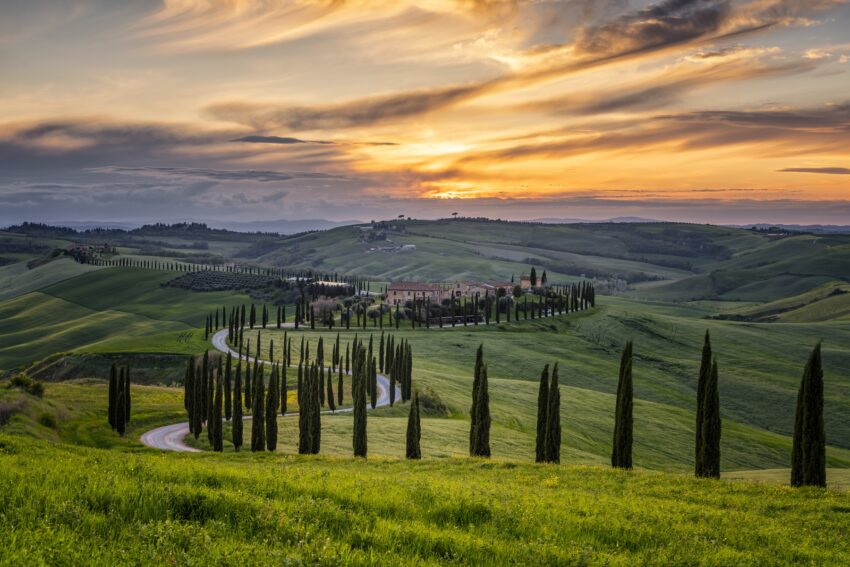
When overseas buyers look toward Tuscany, they are rarely searching for just a house. They are seeking a fundamental shift in daily rhythm like waking up to rolling misty hills, sourcing wine and oil directly from neighboring producers, and enjoying space, light, and silence without sacrificing modern comfort.
In recent years, the appeal of Tuscan real estate has evolved. What was once seen as a traditional region for quiet retirement or summer vacations has transformed into a dynamic destination for remote executives, young families, and lifestyle investors seeking long-term quality of living.
From energy-efficient farmhouses to restored historic apartments, here is an insider’s look at how the Tuscan residential market is changing, what today’s foreign buyers are looking for, and where to find the most desirable micro-markets across the region.
Beyond the postcard: The new drivers of Tuscan demand
While Tuscany’s scenery has long been iconic, the practical reasons for moving here have expanded significantly. Driven by remote work flexibility and excellent airport connectivity in Florence and Pisa, buyers are using their Tuscan properties for months at a time rather than just a few weeks in August.
Today’s buyers are prioritizing:
- Year-round usability: properties built or renovated for comfortable living through both warm summers and cool Tuscan winters.
- Work-life balance: high-speed internet combined with quiet indoor-outdoor spaces suitable for remote work.
- Self-sustained wellness: homes with private olive groves, small vineyards, or organic vegetable gardens that offer a direct connection to nature.
Market snapshot: What today’s buyers expect
While authentic stone architecture, exposed oak beams, and terracotta floors remain high on every buyer’s wish list, modern functionality is now non-negotiable.
Modern energy standards
Old stone homes are notoriously drafty if unrenovated. International buyers heavily favor properties with updated insulation, underfloor heating, solar panels, and high-performance windows that’s why they often embark also on renovation projects.
Integrated outdoor spaces
In Tuscany, the outdoor area is an extra living room. Properties with covered terraces (logge), private pools, and clear panoramic views command the highest market premiums.
Comparing Tuscany’s prime real estate zones
Tuscany offers diverse landscapes, each catering to different lifestyle goals and budget expectations:
| Region / Zone | Distinctive Lifestyle | Dominant Property Style | Entry Budget (Renovated) |
| Chianti Classico | Wine culture, active expat community, rolling hills | Restored stone farmhouses (casali), wine estates | €800,000 – €2,500,000+ |
| Val d’Orcia | Thermal spa towns, iconic UNESCO scenery, slow pace | Hilltop townhouses, isolated country villas | €550,000 – €2,000,000+ |
| Maremma & Coast | Coastal breezes, nature reserves, quiet beaches | Farm compounds, seaside homes, rustic estates | €450,000 – €1,800,000+ |
| Lucca & Hills | Walkable historic center, close to sea and mountains | Elegant palazzi apartments, hillside villas | €380,000 – €1,200,000+ |
[Price ranges are broad market estimates for renovated properties based on current regional listing data and vary depending on location, size, and view.]
Detailed regional overview
1. Chianti Classico: Prestigious hillside living
Located between Florence and Siena, Chianti remains the gold standard for luxury countryside living. It combines world-class gastronomy with an established international community that makes integrating into local life effortless.
- Ideal for: buyers who want a traditional country estate close to major cultural cities.
2. Val d’Orcia: Scenic beauty and thermal wellness
Home to Montepulciano, Pienza, and Montalcino, the Val d’Orcia represents the serene side of Tuscany. Known for thermal springs and cypress-lined roads, it’s perfect for buyers seeking tranquility and rich cultural heritage.
- Ideal for: those looking for peaceful retreats and traditional village life.
3. Maremma: Wild nature and coastal charm
Stretching along Tuscany’s southern coastline, the Maremma region offers untamed landscapes, vineyards, and long sandy beaches. It attracts buyers looking for privacy away from heavy tourist corridors.
- Ideal for: buyers who want rural space combined with proximity to the sea.
4. Lucca and surrounds: History, coast, and convenience
Enclosed by intact Renaissance walls, Lucca offers a refined, flat, walkable city experience. The nearby hills and proximity to the Versilia coast make it one of Tuscany’s most practical year-round locations.
- Ideal for: Buyers who prefer historic city center living or close proximity to international airports.
Long-term value: Why Tuscany remains a safe investment
Beyond personal enjoyment, buying in Tuscany provides key financial advantages:
- Strict preservation laws: strict local planning regulations prevent overbuilding, protecting both the natural landscape and property values over time.
- High rental demand: Tuscan country homes with pools rank among the highest-performing holiday rentals in Southern Europe.
- Residency incentives: Italy’s flat tax regimes and flat-rate tax options for foreign retirees make moving or establishing tax residency increasingly attractive.